about
Hi! I'm a final-year Computer Science undergraduate at Georgia Tech, where I work with Prof. Animesh Garg and Prof. Pan Li.
My research focuses on robot learning: building world-action models that learn transferable representations of motion and dynamics from large-scale human video. I am especially interested in using 3D scene flow and pretrained video-generation backbones to build sample-efficient robot policies that generalize across tasks, objects, and embodiments. I will be applying to PhD programs for Fall 2027.
Outside of research, I love staying active and playing sports. I boulder and lift a lot, and occasionally play pickup ultimate frisbee and volleyball. I also listen to a lot of music (mostly techno) and DJ. Sometimes I also urbex.
research
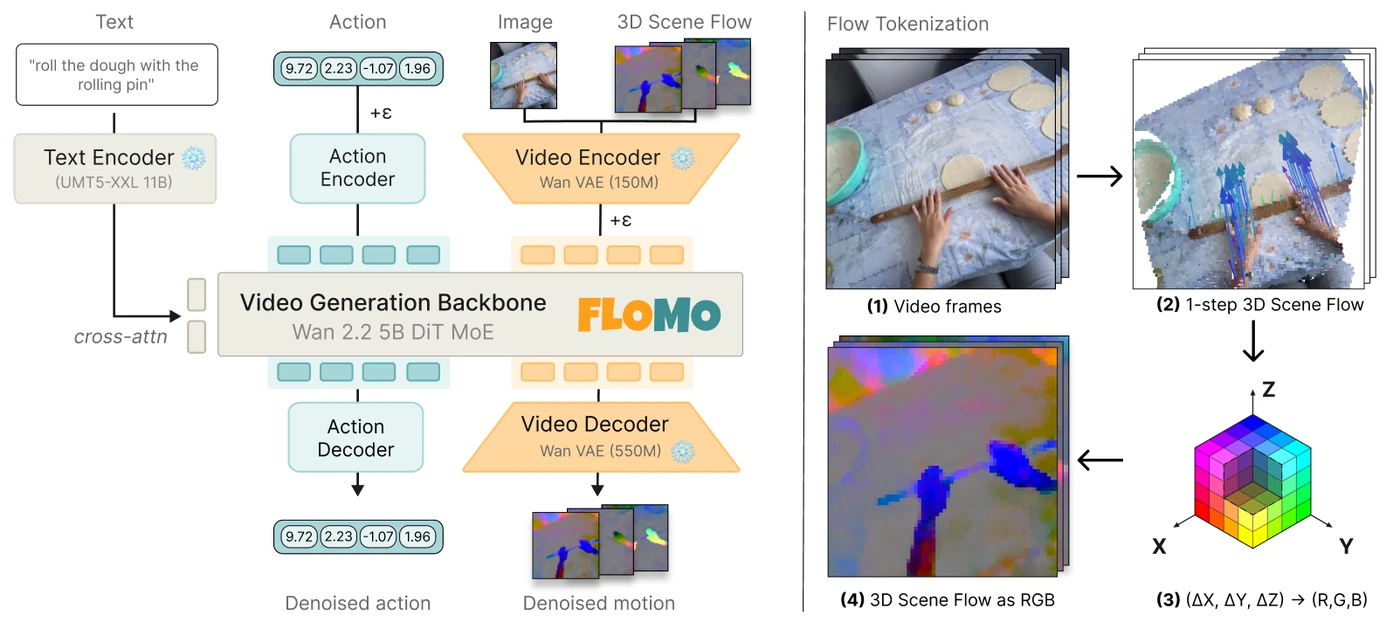
FloMo: 3D Scene Flow as a World-Action Model Intermediate for Learning from Human Video
Submitted to ICRA
A 5B world-action model that predicts 3D scene flow and robot actions, using action-free human video to improve sample efficiency and generalization to unseen objects, motions, and tasks.
* Equal contribution
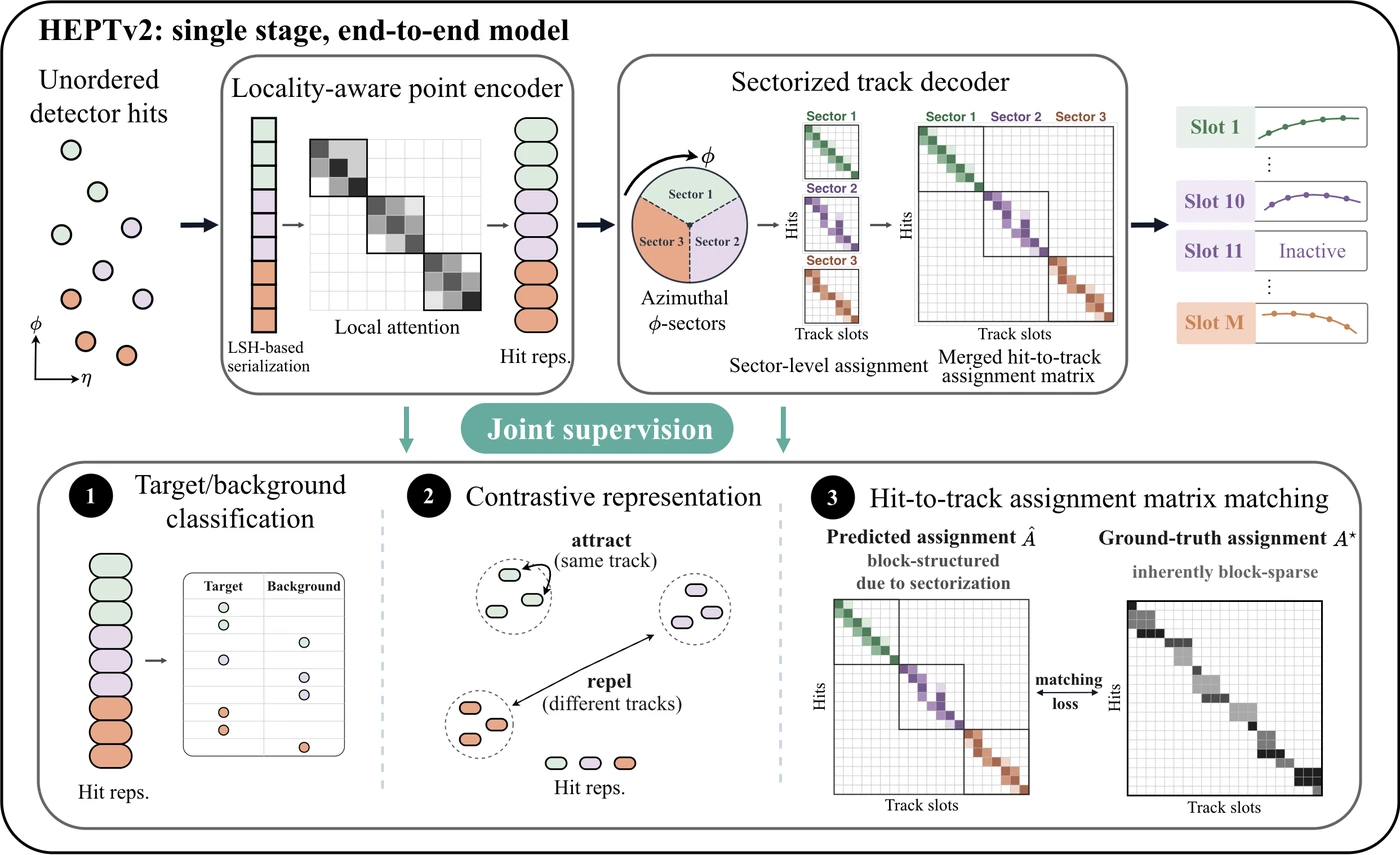
HEPTv2: End-to-End Efficient Point Transformer for Charged Particle Reconstruction
Under review at PRX Intelligence, 2026
An end-to-end point transformer that reconstructs particle tracks without graph construction, clustering, or filtering, reaching 98.6% tracking efficiency with approximately 15 ms inference per event.
* Equal contribution
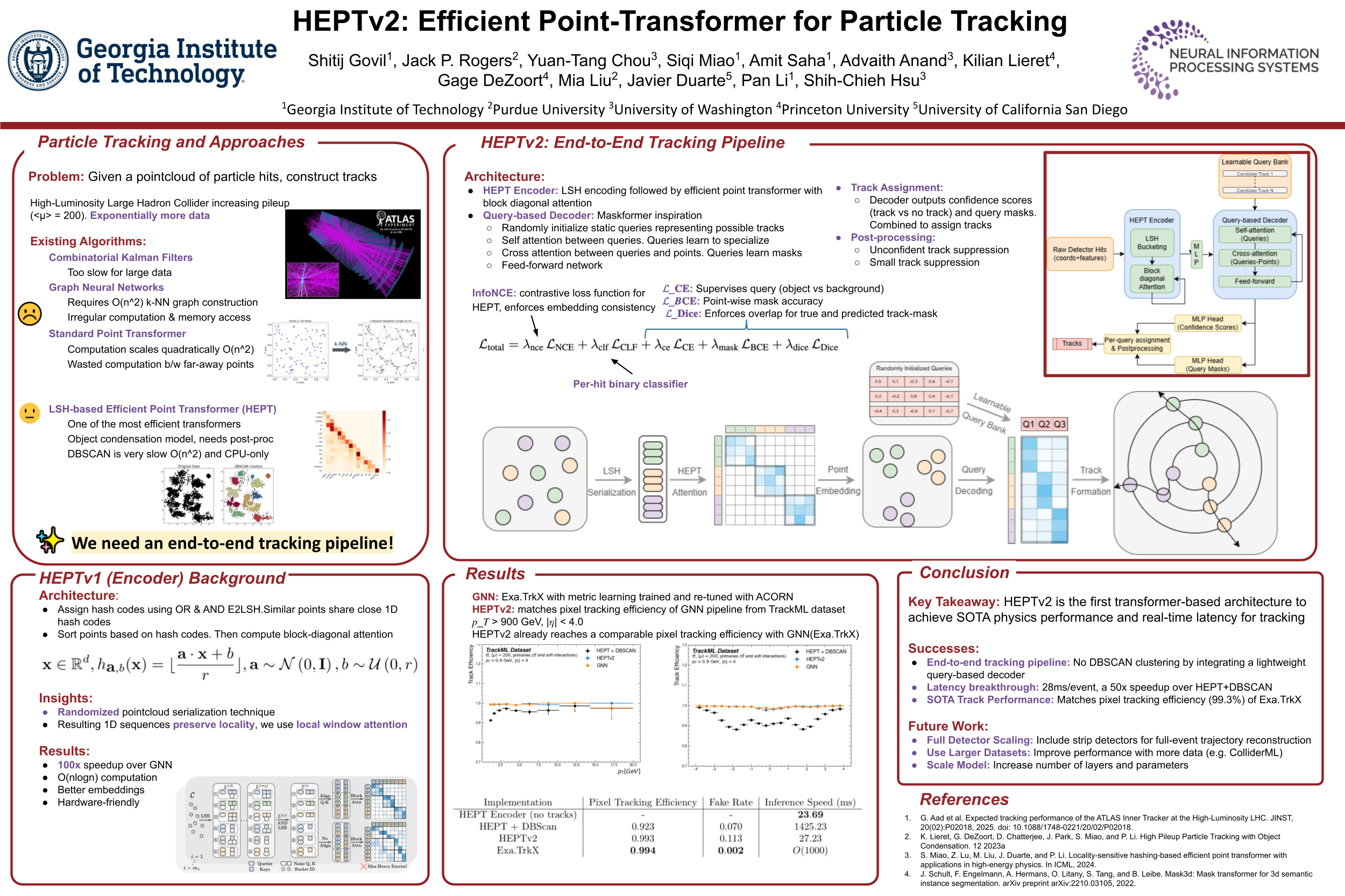
Locality-Sensitive Hashing-Based Efficient Point Transformer for Charged Particle Reconstruction
Machine Learning and the Physical Sciences Workshop, NeurIPS 2025
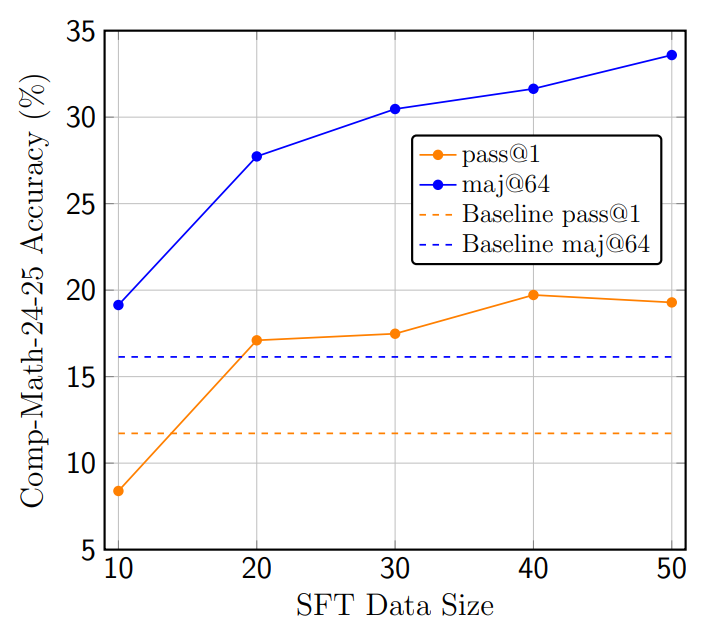
Is Human-Written Data Enough? The Challenge of Teaching Reasoning to LLMs Without RL or Distillation
AI for Math Workshop, ICML 2025
Developed strong reasoning capabilities in base models without reinforcement learning via high-quality CoT.
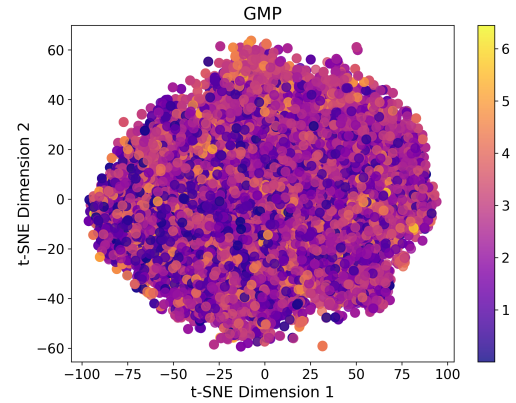
Pre-training graph neural networks with structural fingerprints for materials discovery
arXiv, 2025 [In Submission: Machine Learning Science and Technology]
Pre-training GNNs for materials science using cheaply-computed structural fingerprints.
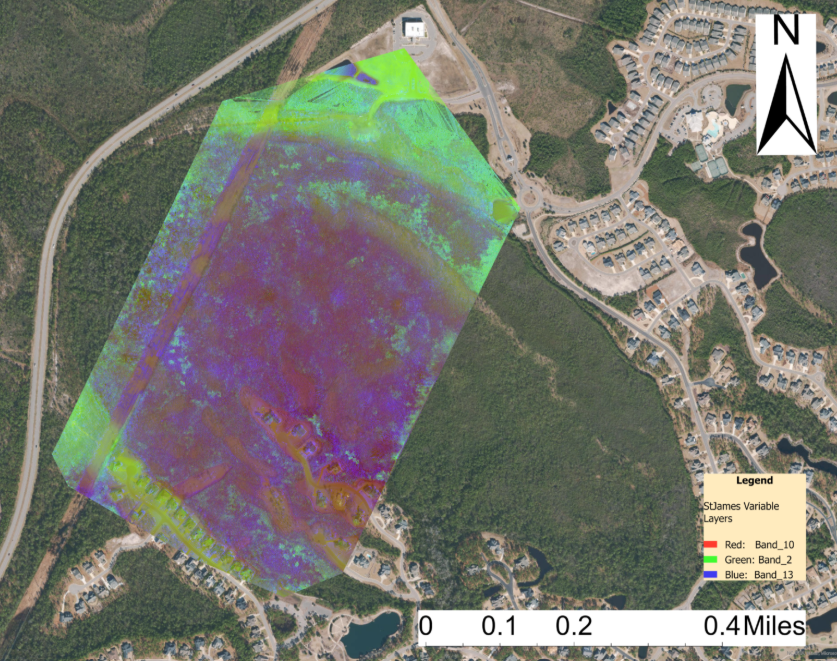
Remote Sensing, 2022
Developed a novel approach combining hyperspatial LiDAR and multispectral imaging data with gradient boosting methods to accurately identify and classify coastal wetlands.
projects
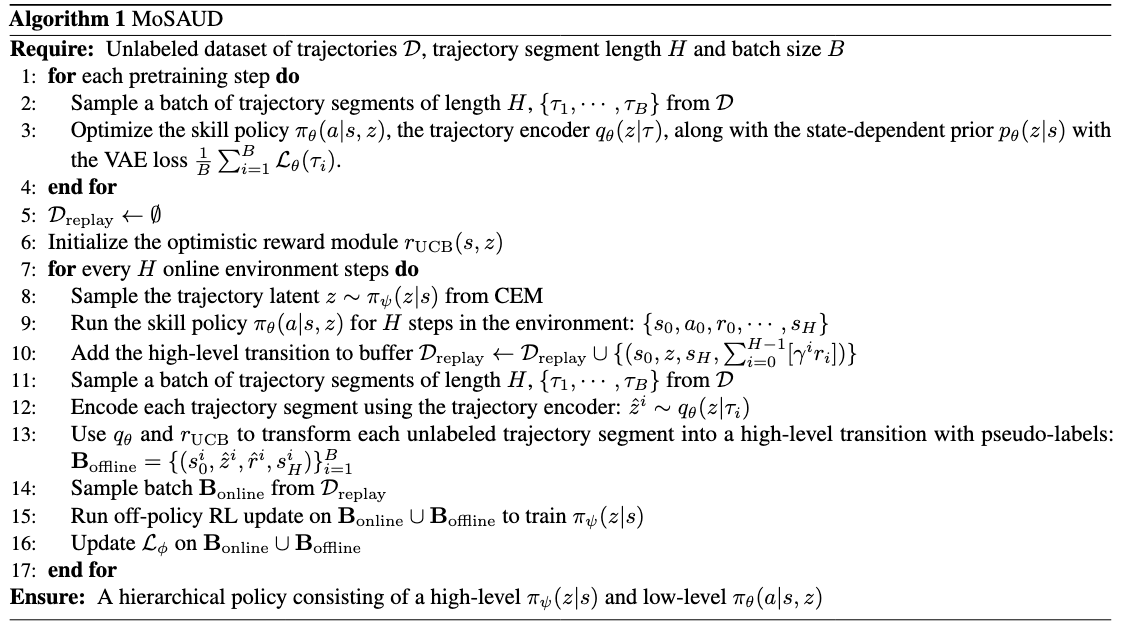
Efficient Skill-based Reinforcement Learning
Course Project CS 8803 DRL
A model-based RL framework that extracts reusable skills from rewardless offline data and reuses the data by relabeling with an optimistic reward estimator for efficient exploration through the learned dynamics model.

Winner-Take-All Sparse Autoencoders
Course Project CS 7461 DL
A winner-take-all sparsity mechanism for sparse autoencoders in the context of mechanistic interpretability. Investigates feature-wise sparsity constraints for SAEs to prevent dead features.